
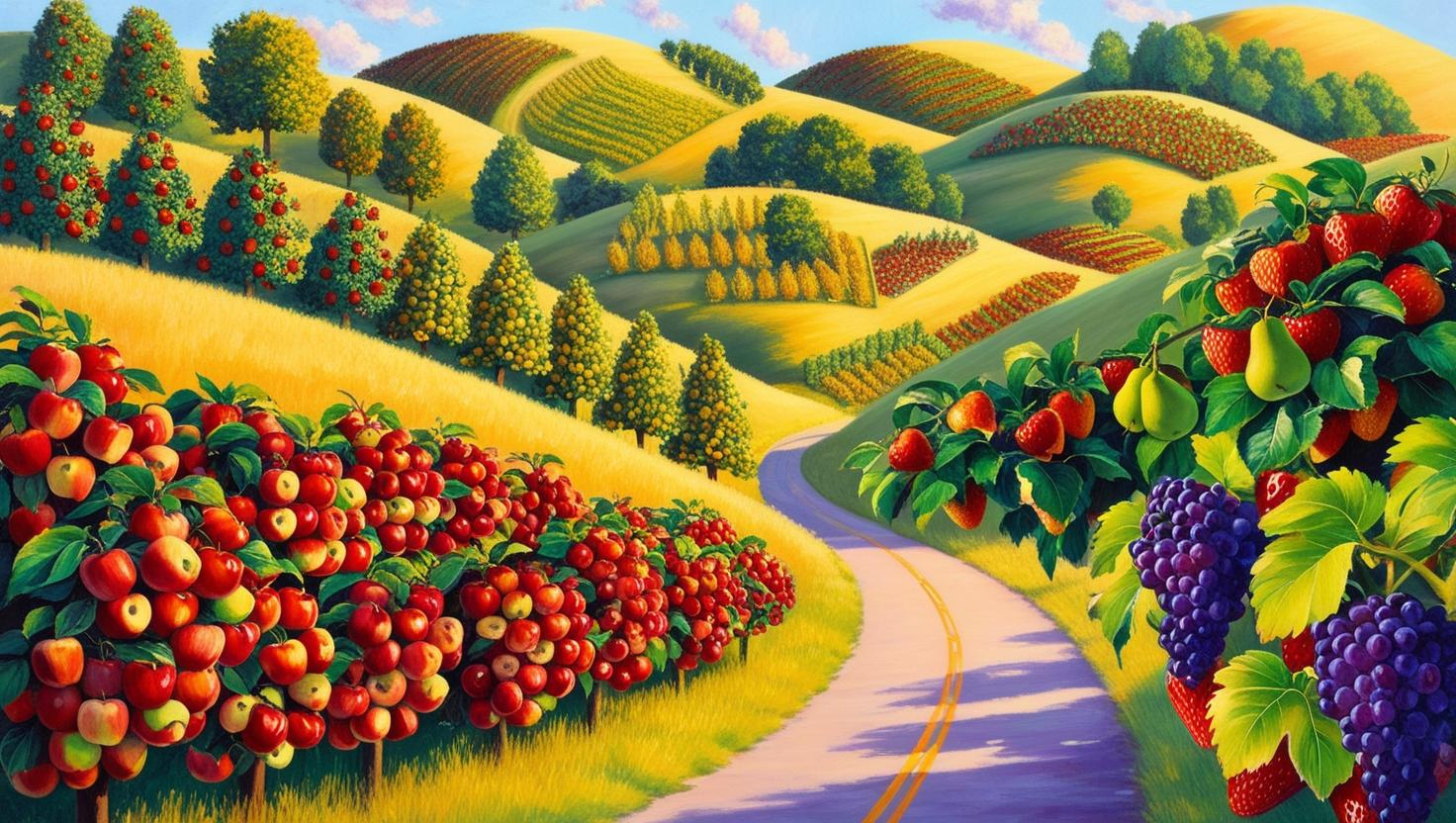
Fruit does not appear on a plant immediately but requires a favourable climate, nurturing and maturing as well as prevention from harmful pests.
In spiritual terms, this means several things: feeding on the Word of God, seeking godly fellowship, and staying away from harmful influences and destructive forces that are not helpful or conducive to a life of faith. We are called away from things that are in opposition to God’s Kingdom. As we have seen, there are two kingdoms, and no one can live in them both at the same time. A man called Lot tried to do so and lost everything. You can read his story in Genesis chapter 19.
Avoiding Compromise with the World
Compromise with the world, its standards and values, is one of the biggest hindrances preventing people from living a life of faith. This world is under judgment and believers are called “to come out from it and be separate”, and thereby not come under its judgment but be set apart to God. Believers are to keep themselves from the world and no longer live as unbelievers. (1 Peter 4:1-4).
We are in the world, but not of it. The Bible says that friendship with the world is enmity with God. “Do not love the world or the things of the world. If anyone loves the world, the love of the Father is not in him”. (1 John 1:15-17).
Works of the Flesh vs. Fruits of the Spirit
The “fruits of the Spirit” are in contrast to the “works of the flesh” listed in Galatians 5:16-25 and Ephesians 5:2-13. The works of the flesh are not just “big sins” like murder, but things like carousing, arguing, crude language, revelry, and so on. We can be exposed to them through TV, bad magazines, coarse movies, bad company, bad habits, swearing and so on. They affect the way people think, act and talk, with criticism, cursing, foul speech, lying, vile jokes, accusations etc. It is our responsibility to steer away from these things. (2 Peter 2:18-22).
We cannot shut ourselves away in a sterile environment or monastery but we are able through “the divine nature to escape the corruption that is in the world”. (2 Peter 1:4). We can influence others if we live a different lifestyle but if we are like the world our words will carry no weight.
The Power of Words
Our tongue defines us and if uncontrolled defiles our whole body. (James 3:2-12). To speak badly grieves the Holy Spirit of God and such talk should be “put off”. (Ephesians 4:30). Jesus said that people are identified by their fruit. Our words will either justify or condemn us. (Matthew 7:16-20, 12:33-37).
We need to be obedient to the Holy Spirit and allow him to correct what we say and do. He lives in us and when we violate his nature, we will feel his grief. This brings us correction or, as the Bible says, “chastening”. (Hebrews 12:8-11). We will either feed the “old nature” or feed the “new nature” and whichever we feed will grow stronger.
Separation of Kingdoms
When Jesus returns the kingdom of light and the kingdom of darkness will be entirely separated. (Matthew 25:32). We cannot be in both. We are called to a life of holiness. Believers are instructed to “Come out from among them and be separate, says the Lord. Do not touch what is unclean, and I will receive you.”. (2 Corinthians 6:14-18, 7:1).
The need to be sanctified is expressed in a powerful way through the imagery of Christ as the bridegroom of the church his bride. (Ephesians 5:26-27). The true church is holy and without blemish. Holiness doesn’t just happen but comes about through a life consecrated to God, set apart for Christ, and separate from the values of the world.
Righteousness and Holiness
Holiness is not the gift of righteousness that we receive through faith in Christ but the work of sanctification that is wrought in us as we yield our lives fully to God. We are called out of this world’s value systems to walk with the Lord. Righteousness is a gift, whereas holiness is a work in us through obedience. It is God’s intention for his church to be holy and, one day, he will present us as a pure bride. (Revelation 19:7-9).
Our aim, therefore, is to be holy, even as he is holy. (Ephesians 1:4, 2:21, Colossians 1:22, 3:12, 1 Peter 1:13-16). It is a process that involves tests, trials, and endurance. It is allowing the Spirit of God, through surrender and obedience, to develop the nature and image of Christ within us. As he does so the fruits of God’s Spirit grow in us, and we are changed. (2 Corinthians 3:17-18). The result is “sanctification”. (1 Peter 1:2, 1 Thessalonians 5:23).
Fruits of the Spirit
The fruits of a holy life are listed in Galatians as love, joy, peace and other wonderful characteristics of a life yielded to God. (Galatians 5:22-25, James 3:17-18). The greatest of them is Godly love. (1 Corinthians 13:11-13). This is not to be confused with the counterfeit “love” of the world but is the true sacrificial love of God.
Join me as we continue our journey through “A Life of Faith.”
Blog series Seven – Pitfalls to a Life of Faith




You must be logged in to post a comment.